What early after abortion healing data show and why it matters
For many years, after-abortion healing has been led by compassionate individuals who walk alongside women and men through deeply personal and often complex experiences. This valuable work has made a lasting difference in the lives of those it has touched.
4 min read

Insights and their meaning for research, policy, and practice
For many years, after-abortion healing has been led by compassionate individuals who walk alongside women and men through deeply personal and often complex experiences. This valuable work has made a lasting difference in the lives of those it has touched.
Yet, despite the significance of this work, there has been little reliable data to help the world understand the full scope and impact of after-abortion healing. Until recently, it has been difficult to answer important questions about who is seeking care, how people engage in healing programs, and what impact these ministries are having over time.
That is beginning to change.
Through a structured, secure care software platform designed specifically for after-abortion healing ministries, a clearer picture is emerging. For the first time, ministries can aggregate meaningful data while continuing to protect the dignity and privacy of those they serve. Early data reveal who is seeking care, when they seek it, how they engage in care, and what factors contribute to lasting healing.
These insights reflect real people and real stories.
[Click here to subscribe to Pregnancy Help News!]
Why this data matters
Historically, research on men and women who have experienced abortion-related grief and loss care has been limited. At the same time, after-abortion support has quietly taken place worldwide in churches, coffee shops, support groups, and one-on-one conversations.
Care providers listen, pray, encourage, and walk with individuals as they process grief and move toward healing. As awareness of these services grows, more women and men are seeking help through faith-based recovery programs.
What has been largely missing is a way to measure and understand this work across ministries. Questions arise such as:
How many people are providing after-abortion care today?
How many women and men are actively engaged in healing programs?
How many people complete Bible studies, support groups, or follow-up programs?
What role do online and in-person care models play in supporting healing?
How do individuals find help, and what factors encourage them to remain engaged in care?
These questions matter not only to ministry leaders, but also to donors, researchers, churches, and others seeking to better understand the needs being addressed through after-abortion support.
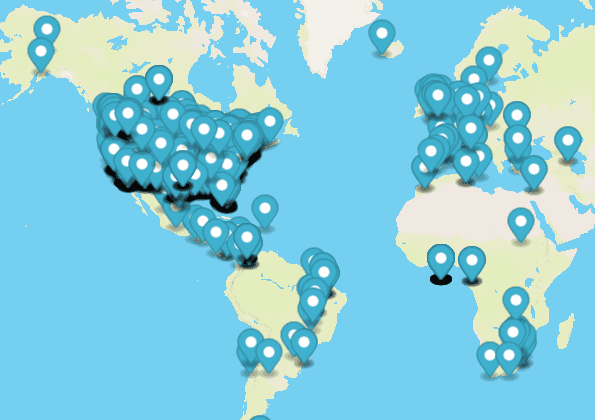
MyCareTrac clients served illustrates aggregate client data from ministries engaging with MyCareTrac/Tricia Lewis
Care that counts
Although data collection is still in its early stages, several meaningful patterns are already emerging.
One of the clearest findings is that people are actively pursuing after-abortion healing services. While ministries have long known this anecdotally, there has never been a centralized way to quantify that demand.
For the first time, ministries can collectively begin answering the first two foundational questions:
How many women and men are actively engaged in healing programs?
How many people are providing after-abortion care?
Early data confirms that individuals across diverse geographic regions and demographic backgrounds are seeking support. Data also provides greater visibility into how people find care and the paths they take toward healing.
Another emerging insight is that some individuals seek help soon after their abortion experience, often within days or weeks. Understanding when clients reach out highlights the importance of making care accessible during times of emotional need. As ministries gain greater insight into when people seek support, in numbers, they are better equipped to connect individuals with care at critical moments.
The data also reinforces something care providers have long believed: healing happens in the context of relationships. Whether care is delivered in person, in groups, or through digital platforms, relationships remain central to the healing process. Research continues to demonstrate that trust, empathy, attentive listening, and relational support contribute to stronger engagement and better outcomes in reproductive-loss healing. More importantly, studies have repeatedly found that when healing incorporates faith-based care, people experience greater benefits.
In addition, early numbers indicate that digital searches and trusted personal referrals are among the most common ways individuals discover after-abortion support. Understanding these entry points creates opportunities for ministries to improve outreach efforts and reduce barriers to care, making it easier for people to find the help they need.
What this means for research and practice
Data allows ministries to move beyond assumptions and make decisions based on real-world information.
As data patterns emerge, leaders can uncover areas where support may not yet be reaching people effectively. Delays in seeking care, for example, may reflect limited awareness of available resources, uncertainty about where to turn, or challenges accessing services. These insights enable ministries to make informed decisions about where to focus their efforts.
A more complete understanding of the care journey
Service-based data creates a stronger foundation for both research and ministry practice. It provides a clearer picture of how healing ministries operate, identifies growth opportunities, and helps organizations demonstrate impact with greater confidence and credibility.
Above all, data transforms scattered information (on Google Docs, excel spreadsheets or hand-written notes) into meaningful insight. It moves ministries and movements from asking, “We hope this matters,” to confidently saying, “We can see that it matters.”
A foundation for the future
These aggregate insights reveal opportunities to work together in new ways, including partnering with research institutions, sharing resources and best practices, building stronger relationships across ministries, and developing consistent standards that help e